
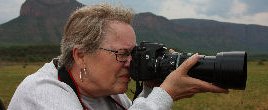
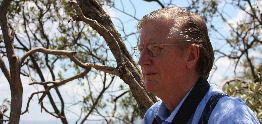
Back home, the next adventure began.
After the first trip, Monica and P-O came home with 72 rolls of film in a bag. What would they do with all the pictures? First, the films had to be developed. Then the photographs had to be sorted and placed into albums. The trip was over, but the work to preserve it had just begun.
In the albums, the encounters got a second life. The pictures could be brought out again, shown, and talked about. What had been experienced far from home became something to share with others. And after each new trip, there was even more to add.
One trip became many. One album became an archive.
For twenty years, they made one or two trips a year. Kenya, Tanzania, Uganda, South Africa, Botswana, and Namibia are some of the countries that have become part of the story. Each trip brought new animals, new places, and new experiences. Together, it became tens of thousands of photographs.
Such a collection does not grow from a single successful trip. It is built by continuing: traveling again, photographing again, sorting, reading, and trying to understand more. Behind Safaribok are both the adventures out in nature and all the hours that have made the pictures possible to find and learn from.
Sometimes the journey began with a single animal.
Some years, Monica and P-O traveled to a country to photograph a single species that was still missing from the collection. The gorillas took them to Uganda. Other trips were about the shoebill and the opportunity to meet it at a particular place during a few weeks. It was their hunt for the next encounter, the next photograph, and an even more complete collection.
Behind a species name in the image bank, there can thus be an entire journey. Planning, anticipation, and an adventure that cannot fit in the caption. These are also the stories Safaribok aims to preserve.
The pictures wanted to go further.
A few years later, a selection of the photographs got their own website. At the same time, thoughts about printed books, posters, and other materials grew. What first fit in photo albums began to reach people who themselves wanted to discover Africa's wildlife.
In Safari Afrika, their texts and photographs meet. The third edition came in 2019, with image material collected over the years 1994–2019. The books are part of the same desire that drives the archive: to make the discoveries accessible, spark curiosity, and let more people get to know the animals.
A big Africa in a small format.
180 pages, 355 species, and 284 high-resolution images. Safari Afrika is written in Swedish for travelers to the safari countries in eastern and southern Africa. The animals are named in both Swedish and English, in the texts and in an index.
The softcover, paperback book measures 13 × 18 cm and is made to accompany you on your trip. It is produced in a Swan-labeled printing house and is also available as a downloadable e-book.
82 years old. And still more to tell.
Today, Monica and P-O are 82 years old. They have created something that deserves to live on: a collection where their trips, knowledge, and photographs can meet new generations. Now the stories get more space, together with the images that carry them.
Safaribok is their life's work, but also an invitation. To the student who gets hooked on a bird. To the traveler longing for their first safari. To the one who wants to understand an animal a little better. Every curious visitor gives the collection a new context.
Read about the shoebill on Wikipedia · More about the shoebill at Discover Africa
Thank you, Monica and P-O.
For all the trips you made. For the pictures you took care of. For the knowledge and stories you share. It started with a bag of rolls of film. What you pass on is so much greater.